What is an electronic signature?
An electronic signature is an electronic format of the intent of a person to accept the contents of a document or set of data to which the signature relates, thus creating a legal concept that captures the signatory's intent to be bound by the terms of the signed document.
The electronic signature applies cryptographic mechanisms to the content of a document with the objective of proving to the recipient of the message that the sender of the message is real, that the sender cannot deny that the message was sent and that the message has not been altered since it was sent.


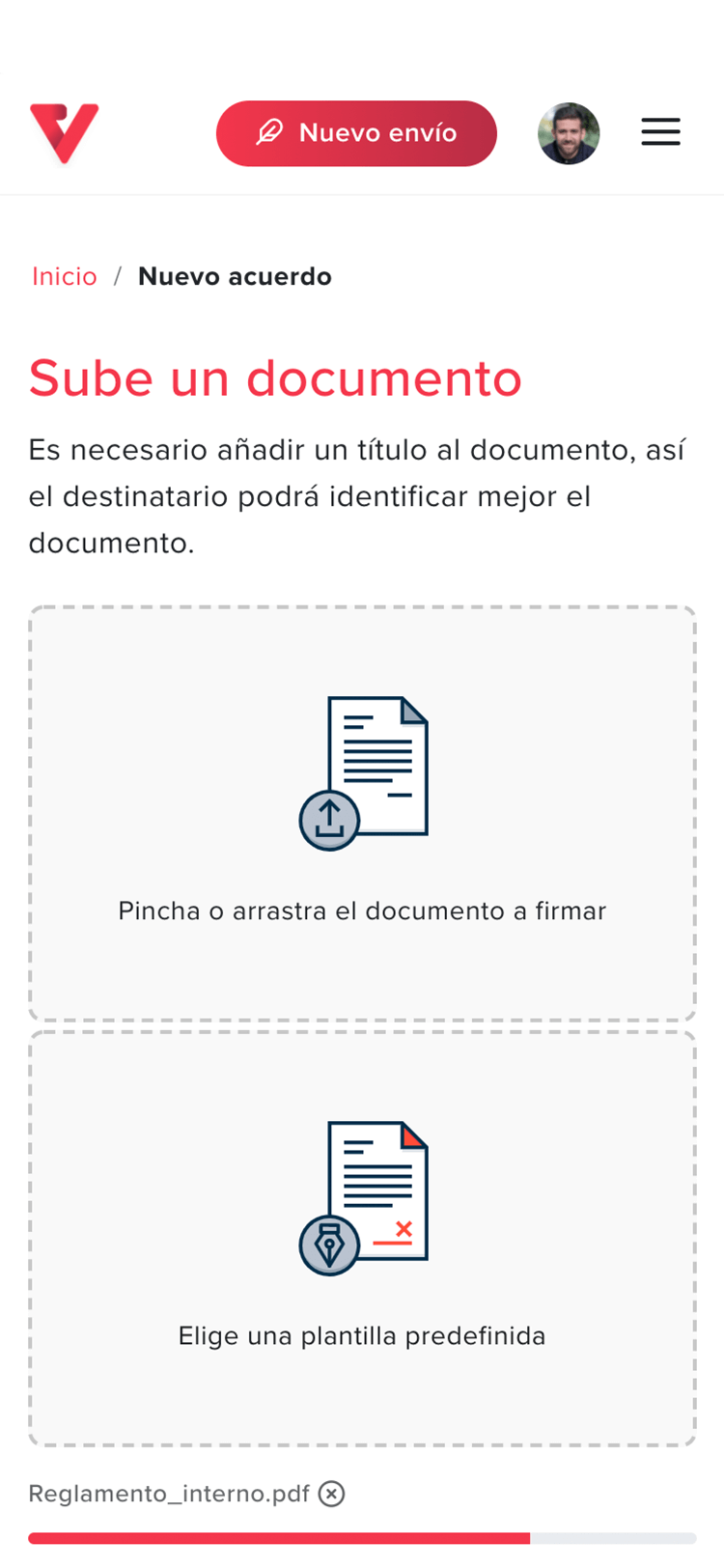

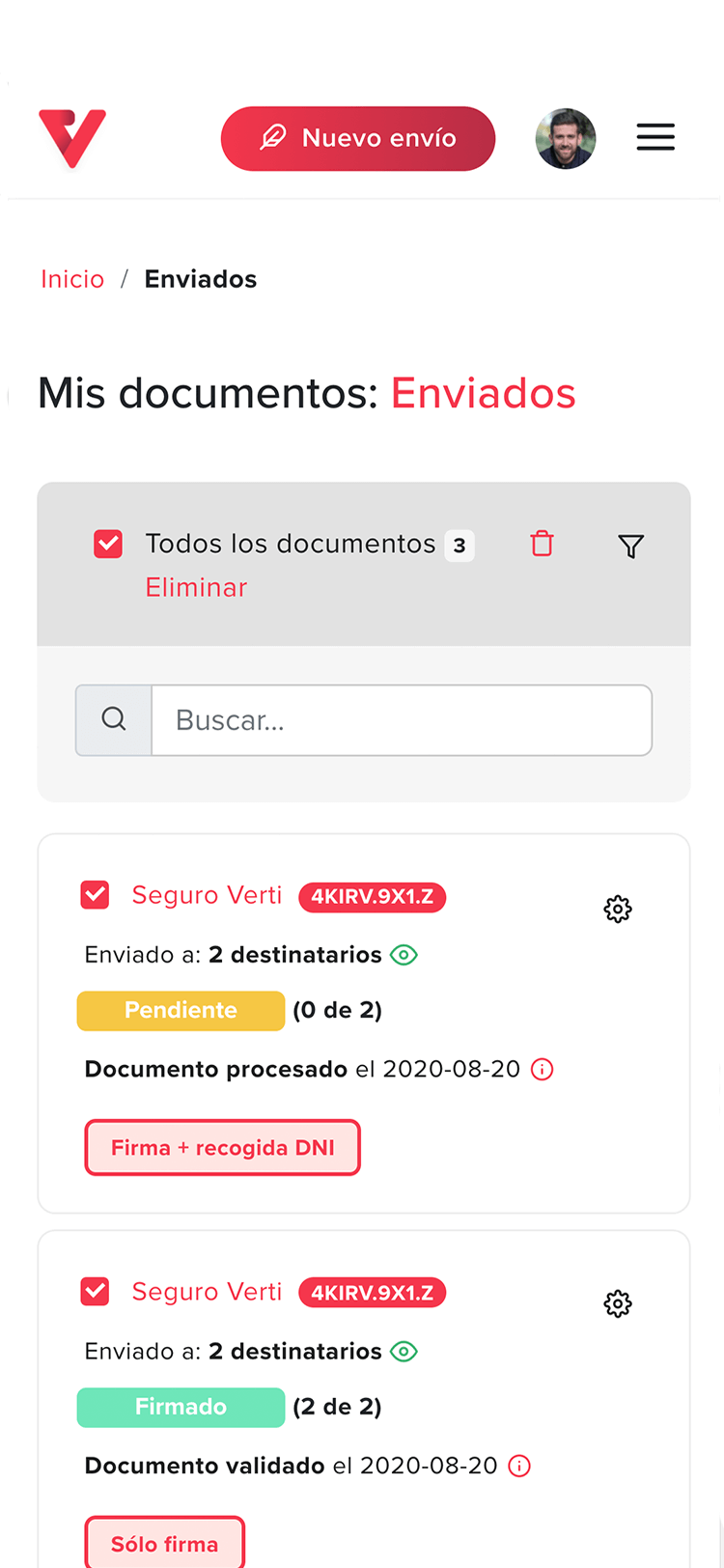
Tecalis advanced electronic signature
The advanced electronic signature has a higher level of security than the simple signature. The creation system offered by Tecalis Signature is developed in such a way that the signatures made comply with each of these 4 legal requirements to be considered as such:
👉 To ensure that the signature can only be associated with a single signer, at the time of signing we collect a large volume of information and use a time-stamping authority to guarantee the integrity of the signature.
👉 To identify the signer, we geolocate exactly where the signature was made, record the source and destination addresses of the request and the time of the signature, and capture biometric data from the graph from the pressure exerted on the signature device (in those devices that allow it). In this way, we can make this information available to a graphologist in the event of a dispute so that they can perform their signature analysis.
👉 Full control of the advanced electronic signature by the signer is also guaranteed by the versatility of our platform, which allows documents to be easily signed from any device. It is only necessary to use a finger, a pointer, or the mouse, and therefore no other person is involved who could falsify the process.
👉We prevent any changes to the signature and contents, guaranteeing the applicant and signatory that the signature obtained cannot be modified after it has been made. To this end, we encrypt the generated documentation according to encryption standards that guarantee 100% integrity.
The main contribution of technology in this area is the reliability of the measurement of objectifiable elements.
How is the signer's identity verified?
The advantage offered by our solution is that it includes technology for capturing biometric data of the signer, which allows us to obtain graph data that we can make available to the handwriting expert in case it is required by a court of law. The biometric information we collect includes the points that make up the graph, its position, the speed and acceleration with which it is made and, in some devices that already allow it, we also capture the pressure with which the signature is made.
In the event that a signature made with our advanced electronic signature solution was dubious, this biometric information could be provided in an investigation process or as evidence in court. In addition to being able to present an expert report, with the reliability that confers the fact that the biometric data we collect are impossible to forge, those who use our advanced electronic signature solution also have a series of electronic evidence collected during the signature process, which provide information about the realization of the signature, such as the location of the place where the signature was made, the date and time or the IP address, among others.
All this information is included in an evidentiary document (audit trail) that can also be presented in court as complementary information to verify the identity of the signer in a judicial process.
The evidentiary document is a document in which all the electronic evidence generated during the signature process is recorded. These evidences are the ones that ensure the integrity of the information at all times, avoiding any type of manipulation. Therefore, the evidentiary document is admissible in court as valid legal evidence in any court of law.
Our evidentiary document is designed to facilitate the reading and location of the different electronic evidences that we collect during the signing process, and we classify them as follows:
The following electronic evidences are detailed in the "Sender Information" section:
- Sender's name and email address
- Name and e-mail of the signer
- Name of the document sent for signature
- CRC of the document: a unique identifier (different for each file)
- Location: a place where the document was signed (including street, number, city, zip code, region, and country)
- Date and time of signature
The "Evidence of the process" section details the different statuses the document has gone through since it was sent for signing: mail sent, mail delivered, mail opened, the document opened and document signed.
For each state, the following information is included: IP address, date and time when each state of the process occurred, type and version of the operating system, and type and version of the browser. Evidence collected in the "Submission Information" and "Process Evidence" sections can be viewed in the evidentiary document downloaded in PDF format.
A time-stamping authority is a certification service provider and acts as a trusted third party that provides time-stamping services to guarantee the date and time of completion of any operation or transaction by electronic means. Timestamping is a method of proving that a set of data existed before a certain point in time and that none of this data has been modified since then.
When performing operations or transactions over the Internet, knowing the time at which they occur is important. Requiring the services of a Time Stamping Authority who, as a trusted third party, will provide a record of the date and time at which the transaction occurred is vital to provide evidence, guarantee the time source used and ensure the integrity of the sealed data.
For Tecalis, the security of experiences in the digital world is a priority. Security practices are deeply embedded in our culture, as well as in our software development and service operations processes.

Guarantee
👉 Privacy and integrity guarantee
Tecalis Signature guarantees the integrity of the data entered and transmitted through our platform, ensuring maximum privacy and integrity in all documents.
During the signature process, the system collects numerous electronic evidences that provide additional information about the context in which the signature was made. These evidences are included with full integrity in the signature evidential document. Moreover, Tecalis Signature guarantees the integrity of the electronic evidences by means of an official time stamp, ensuring that the data in the evidential document, as well as the signature itself, have not been altered after the signature.
Tecalis Signature employs a rigorous set of specific security activities that encompass software development processes, tools, and practices, all integrated into the multiple phases of the product lifecycle. Whether it's identity management, data confidentiality, or document integrity, Tecalis Signature protects your documents, data, and personal information.
👉 Legal guarantee on all signatures.
The Electronic Identification and Trust Services Regulation (eIDAS) makes any type of electronic signature legal and enforceable, providing full legal security for all digital transactions.
Electronic signatures made in Tecalis Signature are legal, reliable, and enforceable in most countries around the world. All data circulating through our platform are encrypted and encoded, complying with the most rigorous security standards. In addition, our digital signature solution complies with both European and US legislation.
In addition, our solution generates a time-stamped evidentiary document, issued by a certifying authority, which ensures that the documents and signatures have not been altered. The email address (of both the receiver and the sender), the name of the document, and the exact place and time it was signed are recorded. These documents have full legal validity in a court of law, based on evidentiary law.

Data Protection Compliance
Tecalis Signature complies with the eIDAs Regulation and the RGPD because our electronic signature solution has the following features:
- It is uniquely linked to the signatory
- It allows the identification of the signatory
- It is created using electronic signature creation data that the signatory can use, with a high level of trust, under his exclusive control
- It is linked to the data signed by it in such a way that any subsequent modification of the data is detectable.
In addition, during the signature process, we expressly request the signer's consent to capture his or her personal and biometric data, in strict compliance with current data protection laws.
Take the next step and get started with Tecalis Signature today
Streamline your business processes with Tecalis Signature
Get advice on the advantages of Tecalis Signature
Big companies already trust us


- Study your use case and give you valuable advice.
- Assist you free of charge in the use of the demo version.
- Solve other doubts (functionalities, API integration,...).